Mastering Time: The Essential Digital Asset for Modern Designers
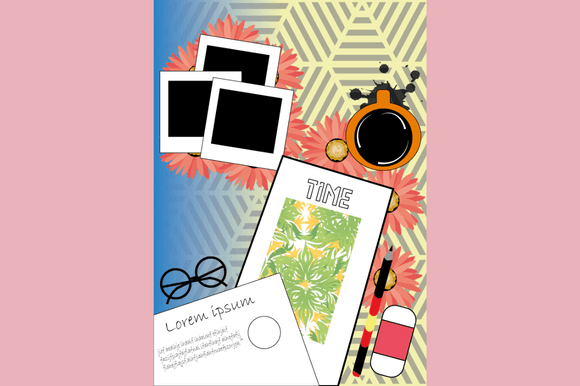
In the fast-paced world of graphic design, efficiency is a critical component of success. The ability to quickly access, customize, and implement high-quality creative assets can significantly streamline a designer's workflow, allowing more focus on the strategic and creative aspects of a project. A versatile digital resource, such as a thoughtfully designed interior template, serves as a foundational element that saves valuable development time while ensuring a professional and polished final presentation.
Understanding the Role of Efficient Design Assets
Effective visual communication relies on a balance of originality and consistency. High-quality, pre-formatted assets provide a reliable starting point, ensuring that foundational design principles like visual hierarchy, alignment, and spacing are already addressed. This allows designers to allocate their creative energy toward customization, brand alignment, and storytelling. For professionals and businesses, this translates to faster turnaround times, more cohesive brand identity systems, and the ability to maintain a high standard of quality across numerous projects.
Practical Applications Across Creative Fields
The utility of a well-structured digital interior extends far beyond a single use case. Its adaptability makes it a valuable component in various creative and professional contexts:
- Branding and Corporate Identity: Use consistent interior layouts for internal documents, brand guidelines, or client proposals to reinforce a unified brand identity.
- Marketing and Social Media: Quickly generate cohesive social media graphics, digital brochures, or email newsletter designs by applying the asset's style to new content.
- Editorial and Web Design: Establish a clear typographic and compositional system for blogs, e-books, or website content sections, improving readability and user experience.
- Packaging and Presentation Design: Ensure product packaging mockups or sales decks have a professional, retail-ready foundation, enhancing the overall aesthetic appeal.
Evaluating and Implementing Digital Resources
When selecting a digital asset like this interior template, consider its scalability and compatibility with your existing design systems. A good resource should be easy to edit, allowing you to adjust typography, color palettes, and imagery to match specific project goals or client guidelines. Pay attention to the file formats provided; a PNG file, for instance, is ideal for high-resolution printing or use in presentations, while other formats may be necessary for editable text layers.
Integrating such assets effectively means more than just placing content. It involves understanding the underlying structure—the grid system, the typographic scale, and the use of white space. By respecting these elements, you can maintain the asset's inherent visual impact while tailoring it to communicate a specific message. This approach is fundamental to creating designs that are not only beautiful but also functional and clear.
Ultimately, the thoughtful curation of your digital toolkit is an investment in your creative process. Quality assets act as force multipliers, enabling you to produce superior work with greater efficiency. They help bridge the gap between a conceptual idea and a fully realized, professional design, ensuring that every piece of visual communication you produce reflects a high standard of craftsmanship and strategic intent. By leveraging resources that respect your time and elevate your output, you position yourself to deliver exceptional results consistently.